
स्थल
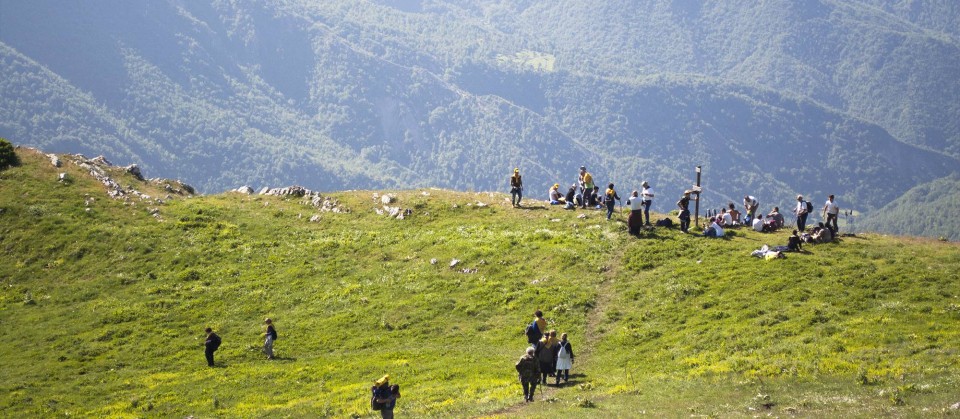
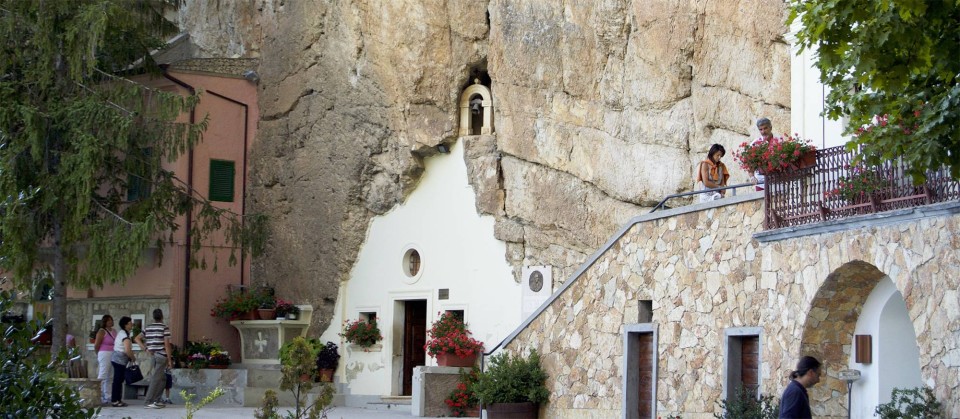
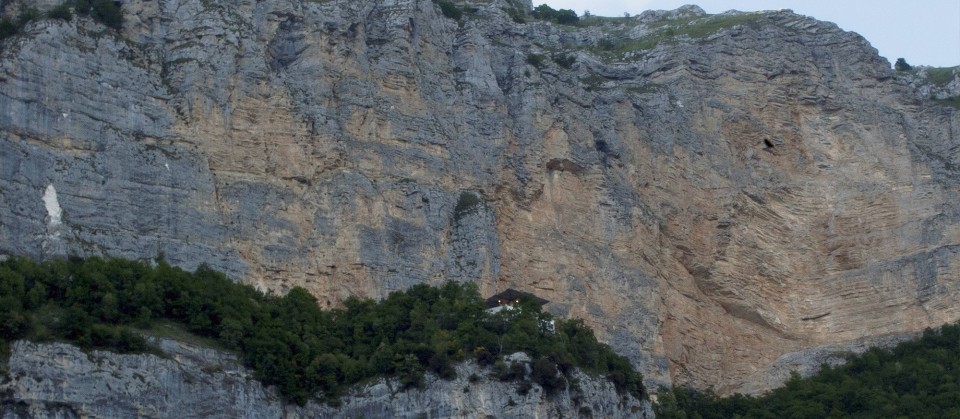
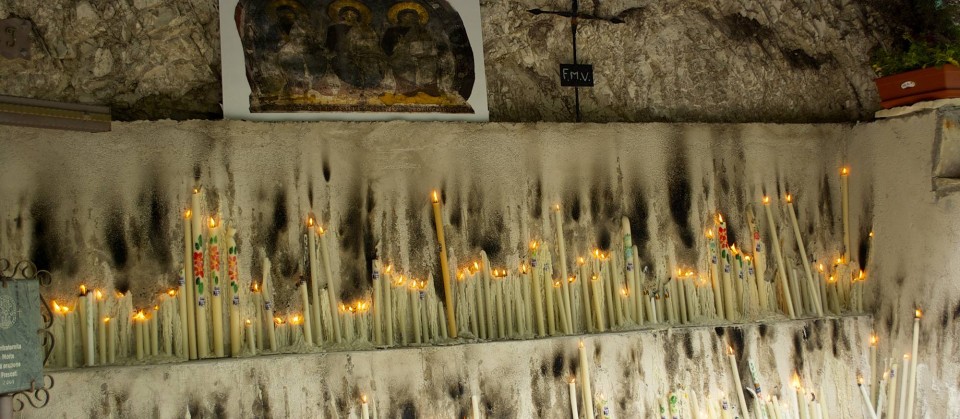
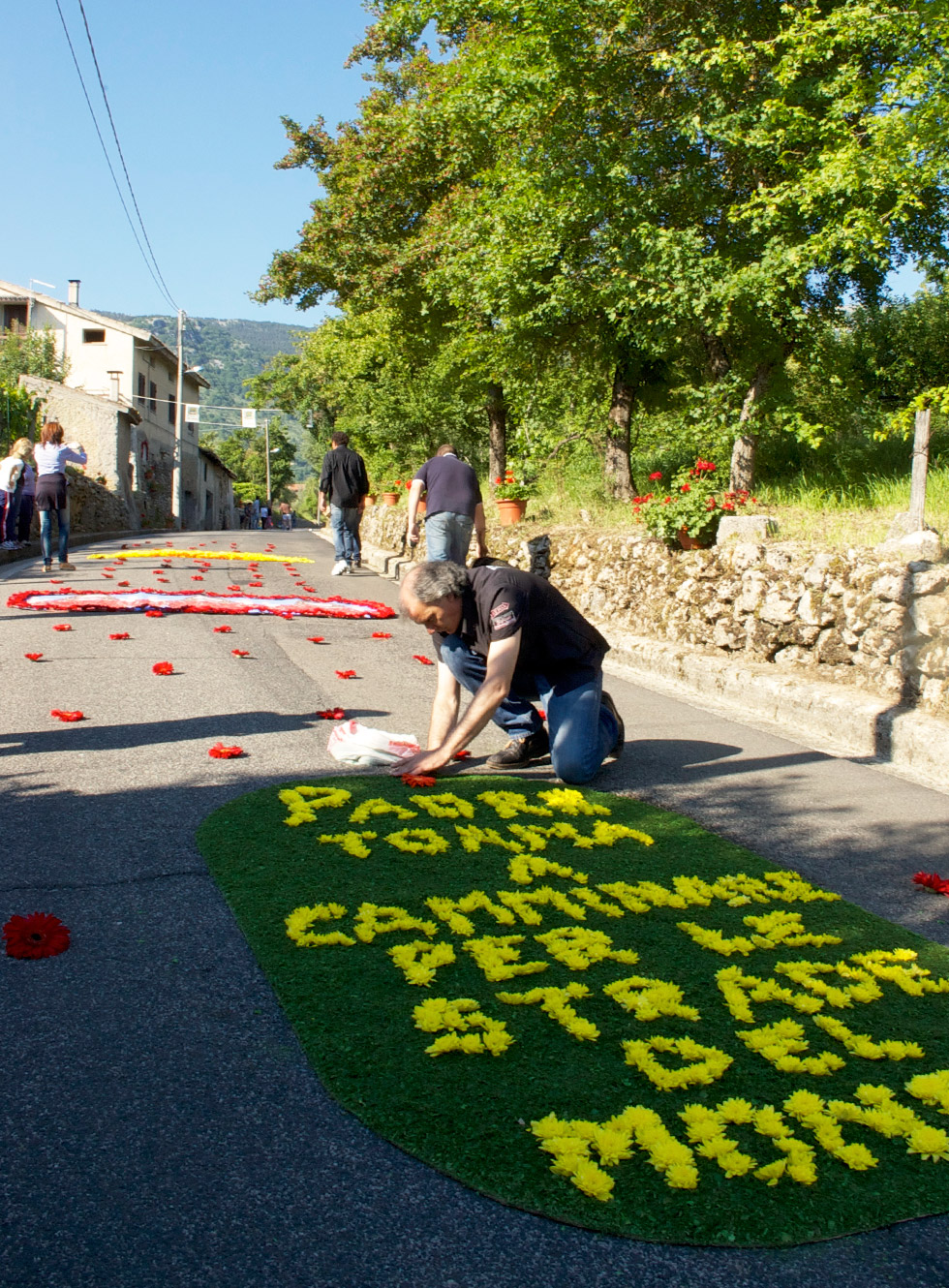
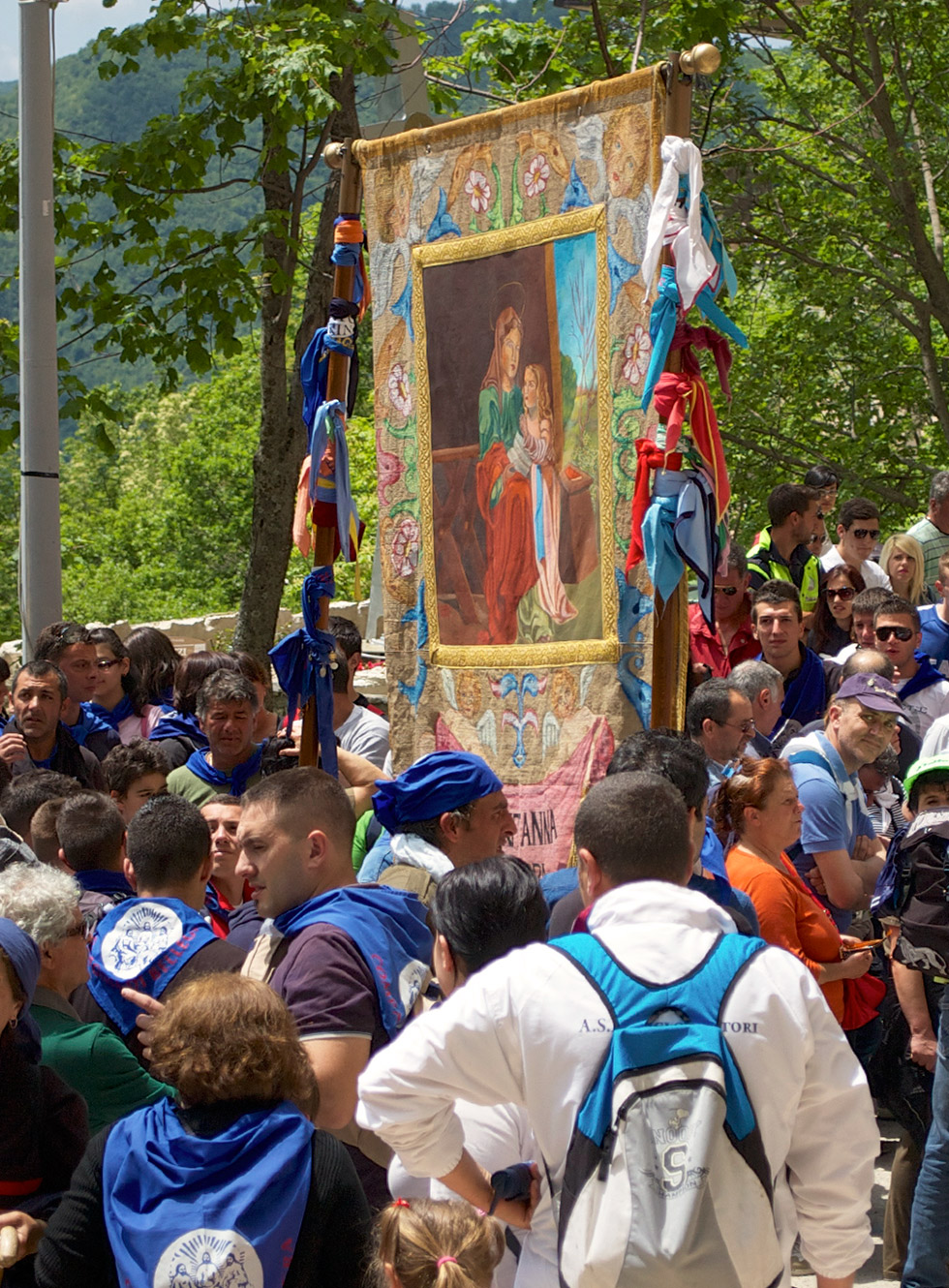
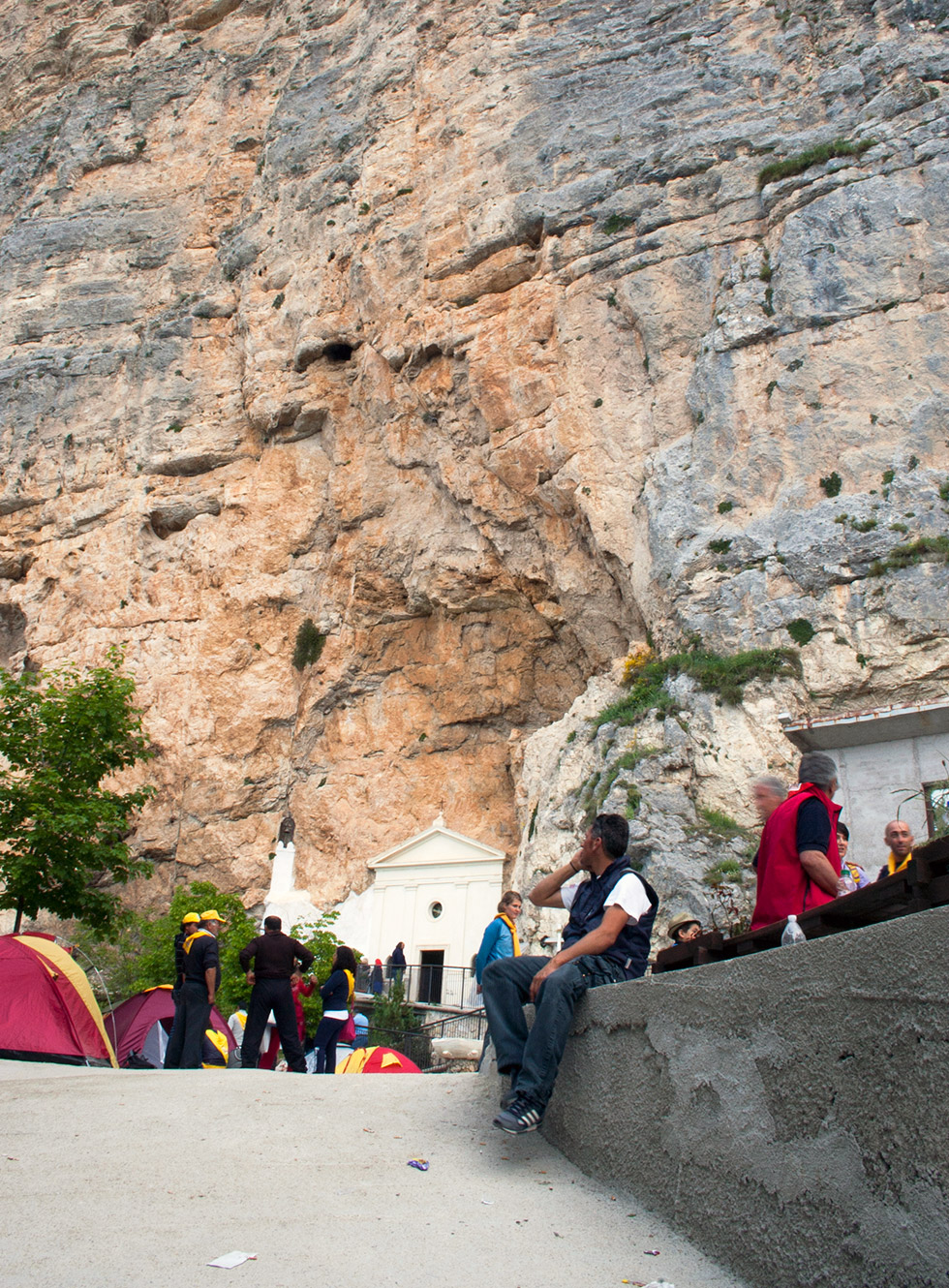
मध्य इटली के सबसे बड़े उच्चभूमि क्षेत्रों में से एक की सीमा पर और सिम्ब्रुइनी पर्वत क्षेत्रीय पार्क के केंद्र में, पवित्र त्रिमूर्ति का छोटा मंदिर स्थित है (अत्यंत पवित्र त्रिमूर्ति). साइट a के अंतर्गत स्थित है 300 एम रॉक फेस. उस प्रतिष्ठित उपस्थिति के कारण, यह ईसाई-पूर्व काल में ही एक पूजा केंद्र था. एक सहस्राब्दी से भी अधिक समय से, पूजा का मुख्य उद्देश्य पवित्र त्रिमूर्ति की एक असामान्य छवि रही है, क्षेत्र के असंख्य गुफाओं में से एक की नंगी चट्टान पर बीजान्टिन शैली में चित्रित. ट्रिनिटी के वार्षिक दिन पर (40 ईस्टर के बाद के दिन), के दायरे में गांवों के हजारों लोग 50 किमी यहाँ इकट्ठा हो जाओ. वे तीन रात और दिन रुकते हैं, जिसमें वे लगातार गाते और प्रार्थना करते हैं. कई लोग कई दिनों तक पैदल या घुड़सवारी करके आते हैं, लंबे समय से ट्रांसह्यूमन चरवाहों द्वारा उपयोग किए जाने वाले मार्गों पर. की तीर्थयात्रा और उत्सव पवित्र त्रिमूर्ति पूरे इटली और पश्चिमी यूरोप में लोक भक्ति की सबसे वास्तविक अभिव्यक्तियों में से एक बनी हुई है.
धमकी
पिछले पंद्रह वर्षों में, हजारों वार्षिक तीर्थयात्रियों के लिए आराम और सुरक्षा में सुधार के लिए मंदिर के चारों ओर निर्मित क्षेत्र का विस्तार किया गया है. पारंपरिक तीर्थयात्रियों की वार्षिक नब्ज के आगे, मंदिर की अद्भुत शोभा के कारण पर्यटक साल भर आकर्षित होते रहते हैं, और इसकी पहुंच और बुनियादी ढांचे में सुधार हो रहा है. अगर लगातार, यह प्रवृत्ति साइट के कुछ प्राकृतिक और सौंदर्य मूल्यों को खतरे में डाल सकती है. साइट के आसपास प्रजाति-समृद्ध घास के मैदानों और कीमती सिल्वो-देहाती मोज़ाइक का रखरखाव भी पशुपालन और संरक्षण उपायों में गिरावट के कारण कमजोर हो गया है।. इन्हें कई वर्षों तक प्रबंधन के पारंपरिक रूपों के माध्यम से पुनर्वनीकरण का विशेषाधिकार प्राप्त था, उदाहरण के लिए शिकार और अंडरस्टोरी प्रबंधन की सीमाएँ. अंत में, धार्मिक अनुष्ठानों के चल रहे सामान्यीकरण के परिणामस्वरूप साइट से जुड़ी अद्वितीय अमूर्त सांस्कृतिक विरासत को नुकसान हो सकता है.
विजन निकट भविष्य में, यह वांछनीय होगा: (1) साइट के मूल्यों के संपूर्ण स्पेक्ट्रम के बारे में दोनों प्रमुख हितधारकों और व्यापक जनता के बीच अधिक जागरूकता बढ़ाना; (2) संरक्षण के लिए जैव-सांस्कृतिक दृष्टिकोण को अपनाने के लिए पार्क प्राधिकरण के वर्तमान प्रयासों के लिए अधिक समर्थन है; और (3) साइट के भविष्य के लिए एक साझा और टिकाऊ दृष्टिकोण पर बातचीत करने के लिए प्रमुख हितधारकों को प्रोत्साहित करें.
संरक्षण उपकरण हालाँकि औपचारिक रूप से संरक्षित, इस पवित्र प्राकृतिक स्थल पर प्राकृतिक और अमूर्त विरासतों के संरक्षण के लिए अधिक जागरूक दृष्टिकोण से लाभ होगा, उदाहरण के लिए प्रेरित संरक्षित क्षेत्र प्रबंधकों के लिए आईयूसीएन-यूनेस्को पवित्र प्राकृतिक स्थल दिशानिर्देश. पहले कदम के तौर पर, तब से विशिष्ट अनुसंधान किया गया है 2010, पारिस्थितिकी के माध्यम से साइट की जैव-सांस्कृतिक विशिष्टता को समझने के उद्देश्य से (पुष्प सर्वेक्षण, स्थानिक विश्लेषण) और सामाजिक विज्ञान के तरीके (प्रतिभागी अवलोकन, नृवंशविज्ञान साक्षात्कार, संकेन्द्रित समूह).
परिणाम अब तक पूरे किए गए शोध कार्य से क्षेत्र के पारिस्थितिक मूल्यों और तीर्थयात्रा और पशुचारण जैसी पारंपरिक गतिविधियों की परस्पर निर्भरता का प्रमाण मिला है।. भविष्य के विकास के बारे में स्थानीय लोगों की कुछ प्राथमिकताएँ और दृष्टिकोण एकत्र किए गए हैं. इस प्रकार इन प्रयासों ने मंदिर से जुड़ी अमूर्त विरासत की विशिष्टता को उजागर किया है, संरक्षण के लिए जैव-सांस्कृतिक दृष्टिकोण के दावे का समर्थन करना. साइट प्रबंधन और शासन पर चर्चा की जानकारी देने के लिए इन जानकारियों का विस्तार किया जा रहा है, और निकट भविष्य में गठबंधन-निर्माण की प्रक्रियाएं तैयार करें.
पारिस्थितिकी और जैव विविधता
कार्स्ट चट्टानी संरचनाएं और बीच का घना जंगल इस स्थल की विशेषता है, जो क्षेत्र के सबसे महत्वपूर्ण जलस्रोत का स्रोत भी है, सिंब्रिविओ नदी. आसपास के पठारों में, जानवरों के चराने से निर्मित प्रजाति-समृद्ध घास के मैदान कभी-कभी जंगल को बाधित करते हैं. सबसे प्राचीन पेड़, अक्सर प्रदूषित या इसी तरह प्रबंधित, इन घास के मैदानों में पाए जाते हैं. की एक दुर्लभ आबादी एरीओफोरम लैटिफोलियम मंदिर के ऊपर चट्टानी आवासों में उगता है. भेड़िये इस क्षेत्र को फिर से आबाद कर रहे हैं.
अभिरक्षकों यह मंदिर अनाग्नि के बिशपरिक के अधिकार क्षेत्र में स्थित है, जो एक उपयुक्त पुजारी की नियुक्ति करता है (अधिशिक्षक) इसकी निगरानी करना. The अधिशिक्षक उद्घाटन अवधि के दौरान साइट पर रहता है (मई से अक्टूबर तक) और मंदिर के रखरखाव और धार्मिक उपयोग की देखरेख करता है. मुख्य समारोहों के आयोजन में स्थानीय लोगों के भाईचारे की महत्वपूर्ण भूमिका और स्वतंत्रता होती है, और साइट प्रबंधन में सीधी हिस्सेदारी. वेलेपीट्रा के भाईचारे बाद वाले के साथ अधिक निकटता से जुड़े हुए हैं, निकटतम गांव, और सुबियाको, एक नजदीकी शहर जहां की भक्ति पवित्र त्रिमूर्ति पूरे वर्ष एक जटिल अनुष्ठान में तब्दील हो जाता है. हालाँकि कोई औपचारिक प्रतिबंध नहीं हैं, भाईचारे से जुड़ाव आमतौर पर विरासत में मिलता है और, सुबियाको के मामले में, हाल तक यह पुरुषों तक ही सीमित था. मंदिर के चारों ओर के पठार स्थानीय स्वामित्व वाली सिल्वो-देहाती सामूहिक संपत्ति हैं. पारंपरिक आर्थिक गतिविधियों में गिरावट और संसाधनों पर घटते दबाव को देखते हुए, कुछ दशकों से वे वार्षिक शुल्क के बदले बाहरी लोगों के लिए भी उपलब्ध हैं.
एक साथ काम करना इस समय, साइट का प्रशासन अपेक्षाकृत खंडित रहता है. सहयोगात्मक कार्रवाई के प्रयासों के बावजूद, ऐसा प्रतीत होता है कि अभी भी सभी मुख्य हितधारकों द्वारा कोई सर्वसम्मत दृष्टिकोण साझा नहीं किया गया है, वह है, स्थानीय लोग, प्रशासकों, चर्च, और पार्क प्रबंधन. निर्माण के समय ग्रामीण विकास को बढ़ावा देना पार्क के एक प्रमुख उद्देश्य के रूप में परिभाषित किया गया था. तथापि, स्थानीय लोगों का दावा है कि पारंपरिक स्थानीय विरासत पर बहुत कम ध्यान दिया गया है, और पिछले कुछ वर्षों में प्रशासनिक घोटालों के कारण संशयवाद बढ़ा है. कुल मिलाकर, ऐसा प्रतीत होता है कि मुख्य हितधारक मुख्य रूप से उनके लिए महत्वपूर्ण विशिष्ट मूल्य पर ध्यान केंद्रित करते हैं, लेकिन आपस में जुड़े आध्यात्मिक पर कोई एकीकृत दृष्टि नहीं दिखती है, साइट के सांस्कृतिक और पारिस्थितिक मूल्य.
नीति और कानून यह पार्क लाज़ियो के क्षेत्रीय कानून के साथ बनाया गया था 1983 और आंशिक रूप से यूरोपीय नेचुरा के साथ ओवरलैप होता है 2000 संजाल. यह लगभग 300 किमी 2 के क्षेत्र को कवर करता है, इसमें पड़ोसी क्षेत्रों से संबंधित उच्चभूमि क्षेत्र शामिल नहीं हैं (अब्रूज़ो). नेचुरा द्वारा कार्यान्वित और प्रोत्साहित किया गया 'प्रकृति के लिए' न्यूनतम हस्तक्षेप प्रबंधन 2000, क्षेत्र में सांस्कृतिक परिदृश्य के संरक्षण को अनुकूलित करने के लिए पर्याप्त नहीं है. यह प्रबंधन सभी आवासों पर 'प्राकृतिकता' के विचार को अंधाधुंध रूप से लागू करता है, और पारंपरिक उत्पादक प्रथाओं के महत्व को स्वीकार नहीं करता है (जैसे पशुचारण, स्थायी कृषि, और अंडरस्टोरी प्रबंधन) जैविक मूल्यों के निर्माण में. स्थानीय समूह, जैसे पशुपालक, निर्णय-निर्माण तंत्र में उनकी आवाज बहुत कम है, प्रमुख पारंपरिक गतिविधियों का प्रतिनिधित्व करने के बावजूद. अन्य खिलाड़ी, जैसे चर्च, क्षेत्रीय या राष्ट्रीय प्राथमिकताओं से प्रेरित विशिष्ट हित हैं. इसलिये, संरक्षित क्षेत्रों की IUCN श्रेणी V से प्रेरित प्रबंधन व्यवस्थाएँ अधिक उपयुक्त प्रतीत होती हैं.
निगाहें तेरी ओर कर दी मनुष्य प्यास से व्याकुल है और तुरंत पत्थर सब सच में पानी डाला - पवित्र त्रिमूर्ति की स्तुति में पारंपरिक गीत.
- फ़्रैस्कारोली, एफ।, भागवत, एस, ग्वारिनो, आर, चियारुची, ए, श्मिड, बी. (मुद्रणालय में) मध्य इटली के तीर्थस्थल पौधों की विविधता और बड़े पेड़ों का संरक्षण करते हैं. अम्बियो.
- फ़्रैस्कारोली, एफ।, Verschuuren, बी. (2016) जैवसांस्कृतिक विविधता और पवित्र स्थलों को जोड़ना: यूरोपीय ढांचे में साक्ष्य और सिफारिशें. में: एग्नोलेटी, एम., एम्मानुएल, एफ. (एड्स.) यूरोप में जैवसांस्कृतिक विविधता, चाम: स्प्रिंगर वेरलाग, पी. 389-417.
- फ़्रैस्कारोली, एफ।, भागवत, एस, डीमर, एम. (2014) पशुओं का उपचार करना, आत्माओं को भोजन देना: मध्य इटली में पवित्र स्थलों पर नृवंशविज्ञान संबंधी मूल्य. आर्थिक वनस्पति विज्ञान 68: 438-451.
- फ़्रैस्कारोली, एफ. (2013) कैथोलिक धर्म और संरक्षण: मध्य इटली में जैव विविधता प्रबंधन के लिए पवित्र प्राकृतिक स्थलों की क्षमता. मानव पारिस्थितिकी 41: 587-601.
- फ़ेडेली बर्नार्डिनी, एफ. (2000) कोई भी चन्द्रमा की भूमि पर न जाये: वैलेपिट्रा के पवित्र ट्रिनिटी के अभयारण्य की तीर्थयात्रा की नृवंशविज्ञान. टिवोली: रोम प्रांत.