Miesto
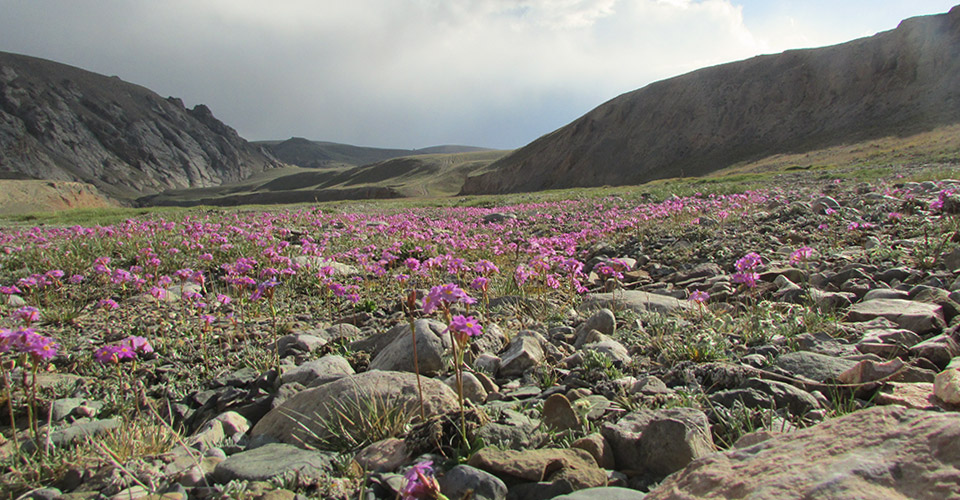
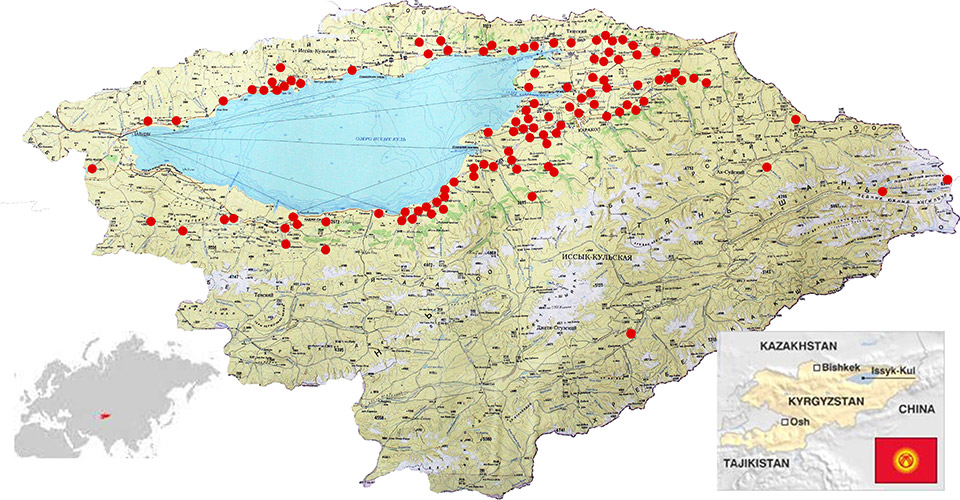
Vysočina provincie Issyk Kul na severovýchode Kirgizska obsahuje jednu z najväčších vyvýšených vodných povodí na svete. Kvôli jeho tvaru videného z kopcov, Miestni ľudia veria, že je to duchovné „tretie oko“ Zeme. Ako biosférická rezervácia, je pod ochranou národnej vlády, zatiaľ čo miestni obyvatelia sa starajú 130 posvätné miesta v regióne. Lokálne strážené posvätné prírodné miesta môžu byť jednotlivé stromy, horské vrcholy, Vody a ďalšie prvky v krajine. Ciele a metódy vedeckej ochrany a miestnej ochrany nie sú vždy konzistentné, A v súčasnej situácii je dôvera medzi komunitami a manažérmi výzvou.
Hrozby
Miestni dedinčania vnímajú ťažbu a znečistenie odpadových vôd jazera ako dôležité hrozby. Po starodávnej tradícii, Niektorí očakávajú, že znečistenie a privatizácia pobrežia jazera môže mať za následok duchovnú katastrofu. Podľa miestnych viery, Ak komunity zaobchádzajú so svojím prostredím, príroda, ktorá sa pomstí. Strata pytliactva a straty biodiverzity sú ďalšími hrozbami, ktoré riešia GOS a MVO, ako aj samotní opatrovníci posvätných stránok.
Pracovať spolu
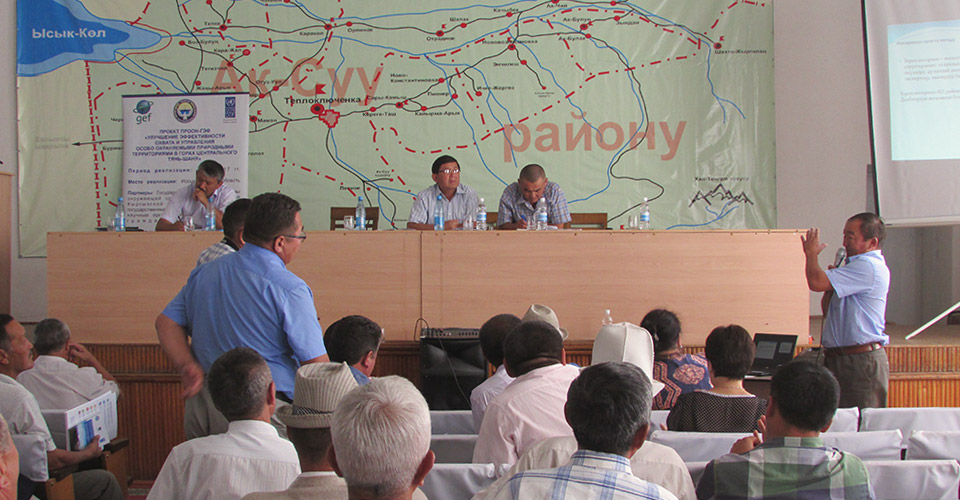
The Biosphere Reserve houses many conservation actors, some of them formally, others doing their work in an informal way. A study by the University of Manitoba, supported by the Community Conservation Research Network suggests that traditional conservationists and efforts of external parties barely interact, and that these groups are often unaware of each other’s visions and activities. This is expressed, napríklad, in villagers believing that the Biosphere employees are good at collecting money, but bad at stopping poachers. There are some local exceptions, where government agencies, NGO’s and communities work together on a single project.
Ekológia a biodiverzita
Lake Issyk Kul is a high altitude freshwater basin situated in an arid region. It functions as a spring to diverse life forms including alpine and subalpine meadows, high mountain tundra, riverine ecosystems, fish and a number of mammals such as the threatened Marco Polo sheep (Ovis ammon polii), the Siberian ibex (Capra sibirica) and the emblemic Snow Leopard (Uncia uncial). Some of the species in the reserve are in the IUCN Red List.
Nature of sacred sites and their custodians
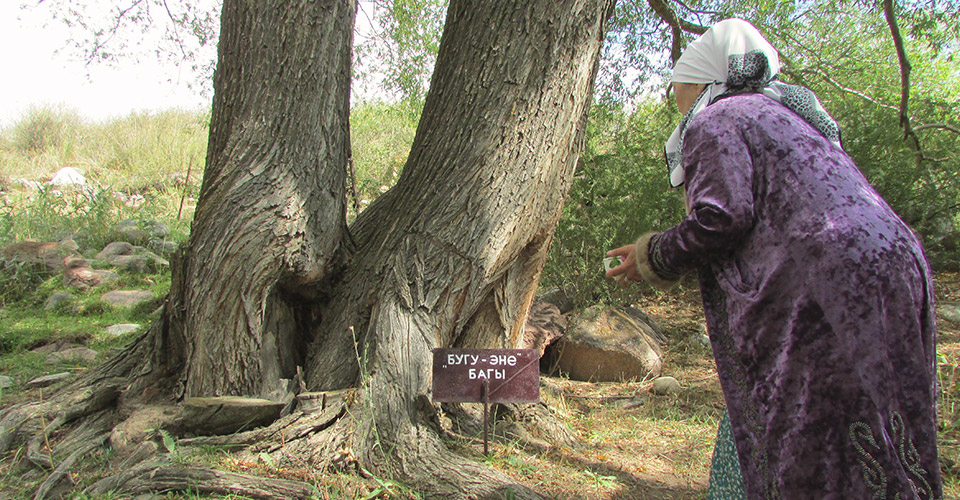
Sacred natural sites each have important meanings for the local people in Issyk Kul. In their society, particularly valued elements are trees that are found on unexpected locations such as in the semi-dry environment. Or perceived sacred natural sites are certain springs, geological formations and entire ecosystems such as Issyk Kul Lake itself. When a person has a livelihood need (children, health or spiritual well-being), he or she visits a specific sacred site. Lore učí, že stupeň úspechu pútnika závisí od jeho schopnosti spojiť sa s posvätnosťou lokality. Posvätné prírodné miesta okolo jazera Issyk Kul majú vlastné vlastné strážcovia schválené. V niektorých prípadoch, miestni duchovní praktizujúci dostávajú vysnívané správy z posvätných prírodných stránok, ktoré veria, že im pomáhajú vyliečiť ľudí, ktorí ochoreli. Spoločenstvá tiež veria v duchovné tresty, ako sú choroby pre ľudí, ktorí poškodzujú tieto stránky.
Vízia
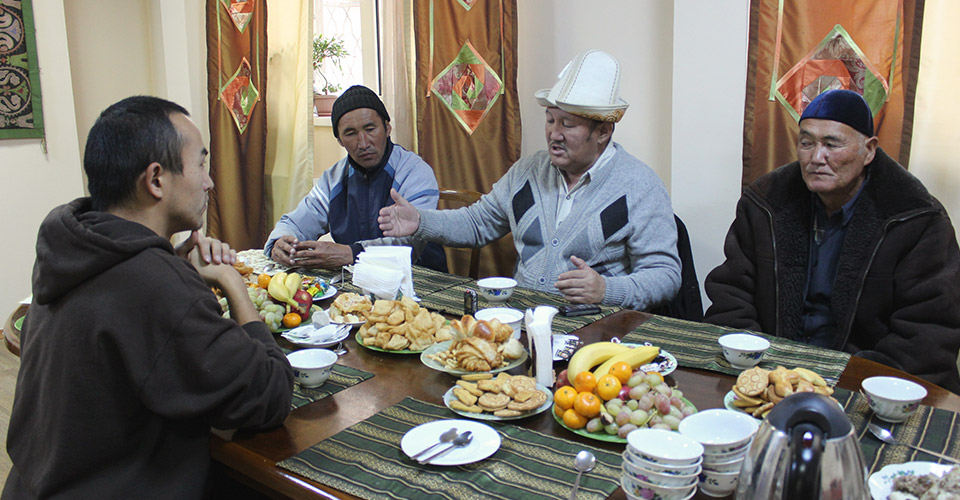
Ciele formálnej ochrany a posvätných stránok založených na komunite môžu byť konzistentné. Preto, Jednou víziou pre tento región je to, že budovanie dôvery medzi zúčastnenými stranami by bolo prospešné pre ochranu ako celok. Formálna ochrana GOS a mimovládne organizácie by bola účinnejšia, keby použili tradičné ekologické znalosti miestnych spoločenstiev; in turn, communities might benefit from the organizational capacities of GOs and NGOs. The researchers recommend a bottom-up, sacred site-centred, and biocultural approach, where community members, guardians and park managers get to know each other and teach each other their expertise and share visions.
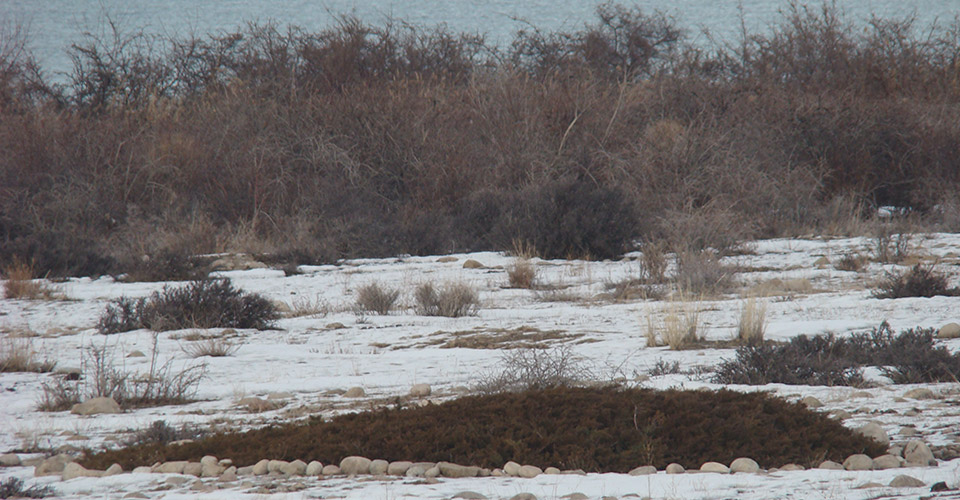
 Manjyly-Ata Sacred site, Ysyk-Ko?provincia L, Kirgizsko. (Fotka: Aigine CRC.)
"I saw an aian (dream) in which a sacred site was calling for me. It said that it was being polluted and neglected. I woke up in the morning and set off to look for that site. I did not know where it is located. I knew what it looked like as I saw it in the dream. I travelled through a dozen of villages but could not find it. Nakoniec, after asking local villagers I found a big willow tree. It turned out that sewage ditch from one house was bringing dirty water to it. I cleaned it up and told to the members of that household that they need to divert the ditch. They agreed to do so but apparently they did not divert it. A month later the mother of the family got paralyzed and the husband came to me asking to heal her. I said that I could not and that they should divert the ditch away from a sacred site. After that they did so and the woman recovered"
Akcia
doteraz, there has been no coordinated action aiming to bring the formal and community-based conservation approaches closer together. Small, local projects can be used as learning tools in an adaptive management sense. The current research could be considered a step in raising the awareness of the potential benefits of closer collaboration and willingness to unite qualities.
Ochranná nástroje
Formálna ochrana sa zameriava predovšetkým na ochranu biodiverzity, Zatiaľ čo ochrana založená na komunite využívajúca posvätné miesta sa zameriava na kultúrne hodnoty a nepriamo na biodiverzitu. Dva prístupy ochrany majú rozdiely a podobnosti. Napríklad, Formálna ochrana v biosférickej rezervácii využíva schémy územného plánovania, v ktorých sa pre každú zónu vzťahujú rôzne pravidlá. Posvätné prírodné miesta majú tiež špecifické zóny, kde existujú rozdiely v pravidlách správania.
Politika a právo
Biosférická rezervácia funguje podľa formálnych zákonov a predpisov. Posvätné stránky podliehajú zvyčajnému právu. Existuje súbor zákonov a nariadení na vnútroštátnej úrovni, ktoré sa týkajú rezerv biosféry, chránené oblasti a národné parky, Znečistenie a ochrana biodiverzity. Sanctions for the violation of formal laws are reflected in the Code of Administrative and Criminal Codes. Violations of customary laws related to sacred sites are believed to lead to negative consequences for the violators such as illness, misfortune or even death.
Výsledky
The results of the study suggest that sacred sites may contribute to formal conservation by making conservation more meaningful to local communities. Integration of traditional knowledge, values and beliefs related to sacred sites with the conservation plans can make conservation goals more comprehensible to locals. Recognition of sacred sites can also help foster a biocultural approach to conservation in the Biosphere Reserve. The studies find that current conservation strategies mostly focus on biodiversity and overlook cultural diversity even if the Biosphere Reserve’s statutory goals and mandate is broader than only nature conservation, emphasizing the inseparable interconnection between social and ecological systems. preto, bringing cultural conservation and traditional knowledge into would contribute to meeting Biosphere Reserve’s goals and mission. The results of the University of Manitoba research are consistent with findings of Aigine Cultural Research Centre, which conducted the study in sacred sites throughout the country. Preto, these recommendations are likely to be applicable also to other protected areas in Kyrgyzstan.
"Mountains are up high. Being on elevated places, one gets pure thoughts. Only few people (such as herders or geologists) actually go high into the mountains, there are no idle people. I think that sacredness is best preserved in places where only few people set foot on." - Traditional Practitioner.
- Aigine CRC website. www.aigine.kg
- UNESCO World Network of Biosphere Reserves. www.unesco.org
- Website on Traditional Knowledge in Kyrgyzstan. traditionalknowledge.org
- Posvätné miesta: Conservation of Nature through Mechanisms Rooted in Culture www.youtube.com
- Community Conservation Research network. www.communityconservation.net
- Outcome Story: Sacred sites help improve conservation practices in Kyrgyzstan’s protected areas (PDF) www.communityconservation.net
- Aibek Samakov: aisamakov@gmail.com
- Fikret Berkes: Fikret.Berkes@umanitoba.ca